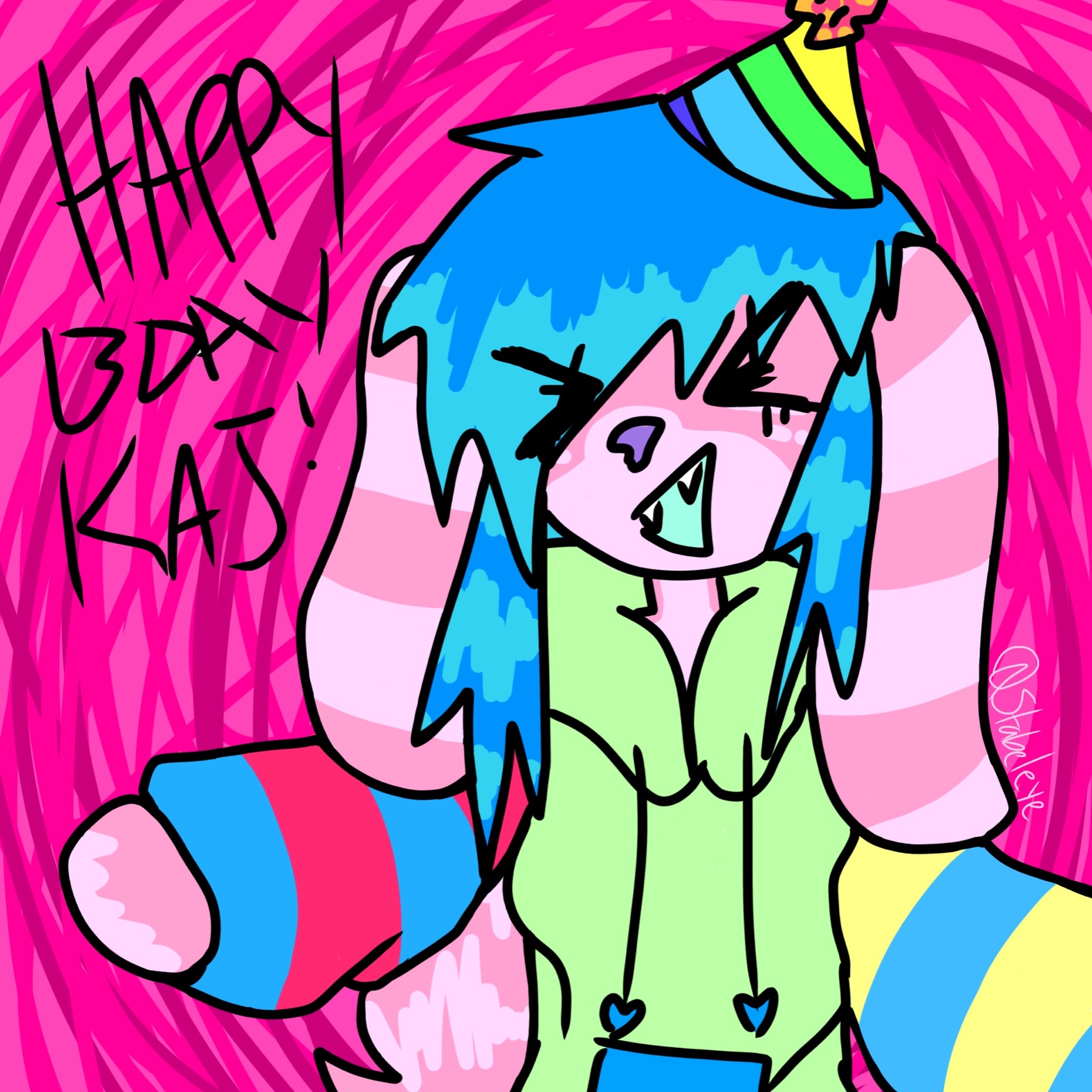
It usually happens in a Twitch chat or a Discord server. Someone posts a piece of art—maybe a cool wolf warrior or a neon-colored cat—and within seconds, the question pops up: is that your fursona? Sometimes it’s a genuine question. Other times, it’s a bit of a "gotcha."
The phrase has evolved into a bit of a digital litmus test. It’s a meme, sure, but it also sits at this weird, messy intersection of internet subcultures, character design, and the way we project ourselves online. If you’ve spent any time in creative circles, you know exactly how heavy that question can feel. It carries a lot of baggage.
Where the Question Actually Comes From
The furry fandom isn't new. People have been dressing up as animals and creating anthropomorphic "furry personas" since the late 1970s and early 80s, largely evolving out of sci-fi conventions. But the specific phrase is that your fursona became a meme because of how outsiders view the community.
For a long time, calling something a fursona was used as a way to mock people. If an artist drew a talking animal, some internet troll would jump in to label it a fursona to make the artist feel "cringe." It was a weaponized label.
But then, the internet did what it always does. It ate the joke.
Creators started leaning into it. Nowadays, you’ll see the phrase used ironically under pictures of Tony the Tiger or the Geico Gecko. It’s a way of poking fun at the fact that, honestly, anthropomorphic characters are everywhere. They're unavoidable.
The Logic of Character vs. Identity
There is a massive difference between a character and a fursona, though the line is blurry.
A character is something you create to tell a story. You might write a book about a rabbit detective, but you don't think you are the rabbit. A fursona, or "furry persona," is an avatar. It’s a self-representation. When someone asks is that your fursona, they are effectively asking: "Is this who you are in the digital world?"
Dr. Courtney Plante, a social psychologist and co-founder of Furscience (the International Anthropomorphic Research Project), has spent years studying this. His research shows that fursonas often serve as a "better version" of the self. They help people navigate social anxiety or explore different facets of their personality.
So, when someone asks the question, they aren't just asking about the art. They’re asking about the person behind the screen.
Why the Meme Exploded on Social Media
The "is that your fursona" trend gained massive traction on platforms like TikTok and Twitter because of its versatility. It's the perfect "deadpan" comment.
- The Trap: An artist posts a very serious, edgy drawing of a monster. A commenter asks the question. The juxtaposition between the "serious" art and the "cringe" label is the joke.
- The Brand Interactions: Seeing a massive corporation like Xbox or Sonic the Hedgehog interact with furry terminology is always a viral moment.
- The Accidental Furry: This is when a non-furry artist draws something that looks suspiciously like it belongs in the fandom. The comments section becomes a chorus of "is that your fursona?"
It’s basically the modern version of "u mad?" but with more glitter and animal ears.
The Design Elements That Trigger the Question
What makes people ask? It’s rarely just a drawing of a dog. There are specific visual cues that scream "fursona" to the average internet user.
- Neon or "unnatural" colors: If the wolf has bright blue fur and glowing green eyes, people are going to ask.
- Human-like eyes: Characters with expressive, human-style irises rather than animalistic eyes often fall into this category.
- Accessories: Giving an animal a hoodie, piercings, or a specific haircut is a dead giveaway that the character is meant to represent a person.
- Complex backstories: If the character has a 10-page lore document, it's probably more than just a doodle.
There's also the "Species" factor. Some species are just synonymous with the fandom. If you draw a Protogen (a cyborg creature with a visor face) or a Sergal (a shark-headed mammal), you aren't just drawing an animal. You are participating in a specific cultural language. In those cases, the answer to is that your fursona is almost always "yes."
It's Not Just for Furries Anymore
We’re seeing a shift in how people view digital identity. Look at VTubers. These are streamers who use 2D or 3D avatars to represent themselves. Many of these avatars are animals.
Is a VTuber model a fursona?
Technically, maybe. But the users often reject the label. They see it as a "rigged model" or a "brand asset." This creates a fascinating tension. People want the benefits of an avatar—anonymity, creative expression, a cool look—without the social stigma that sometimes still clings to the furry label.
The question is that your fursona then becomes a way to bridge that gap. It’s a way of saying, "I see what you're doing here."
The Impact on Artists and Creators
For professional illustrators, being asked if their work is a fursona can be frustrating.
Some artists fear that if they are labeled as "furry artists," they’ll lose mainstream job opportunities. This is a real concern, though it's becoming less of an issue as the "sakuga" and "furry" aesthetics merge in modern animation. Shows like Beastars or BNA: Brand New Animal on Netflix have moved these designs into the mainstream.
On the flip side, many artists embrace it because the furry community is one of the few groups that consistently pays high prices for custom art. It’s a booming micro-economy. In that world, having a recognizable fursona is like having a high-end designer suit. It's a status symbol.
Dealing With the Question
If you’re a creator and someone asks you is that your fursona, how you respond depends entirely on the vibe.
If they’re being a jerk? Ignore them.
If they’re genuinely curious? Tell them the truth. Many people use the question as a way to find community. They’re looking for "their people."
The reality is that everyone has an "online persona" now. Whether it’s your carefully curated Instagram feed, your "pfp" (profile picture) on Twitter, or an actual 3D cat model, we all project a version of ourselves that isn't quite human. We are all living in a world of avatars.
How to Tell if It Actually Is a Fursona
If you’re looking at a character and wondering if it counts, check for these three things:
First, look for the "Self-Insert" factor. Does the character share the creator's name or birthday? If the character's name is "Dave" and the artist's name is "Dave," you've found a fursona.
Second, check the pronouns. If the creator refers to the character as "me" or "myself" rather than "he" or "she," it’s an identity piece.
Third, look at the "Ref Sheet." A reference sheet that includes likes, dislikes, and personality traits is a hallmark of the fandom. These aren't just turnarounds for animators; they are identity cards.
The Future of the Meme
Memes die. That’s the rule. But is that your fursona feels different because the fandom it targets isn't going anywhere. It’s only growing.
As we move closer to "Metaverse" style interactions, more people will have avatars. Your boss might have a digital avatar for a VR meeting in 2027. Your doctor might use one. At that point, the question loses its edge. It becomes a mundane inquiry, like asking someone what brand of shoes they're wearing.
But for now, it remains a cheeky, slightly chaotic way to engage with art and identity online.
Next Steps for Navigating the Conversation:
If you are an artist or a fan trying to navigate this space, don't sweat the labels. If you like drawing animals, draw them.
- Clarify your branding: If you're looking for professional work in non-furry industries, keep your "identity" art separate from your "commercial" portfolio to avoid confusion.
- Engage with the community: If the answer is "yes," own it. The furry community is a massive network for networking and commission work.
- Use the meme to your advantage: If you're a content creator, leaning into the joke can actually boost your engagement. The algorithm loves a bit of playful controversy.
Ultimately, the question isn't a threat. It’s just a symptom of a world where we can be whoever—and whatever—we want to be on the internet.