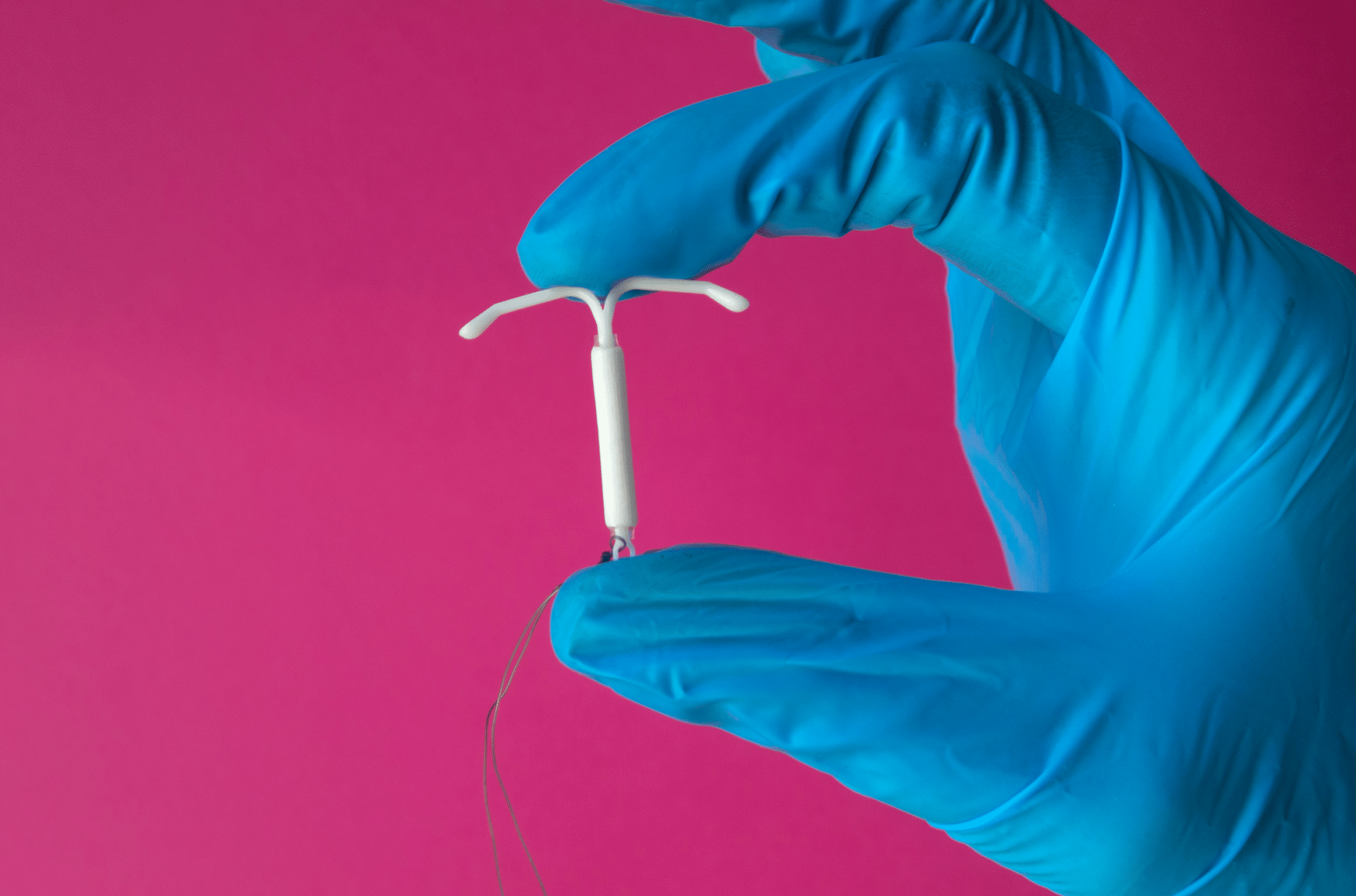
Let’s be real: looking at the price tag for an IUD can feel like looking at a used car invoice. One person tells you they walked out of the clinic without paying a dime, while another is staring down a $1,300 bill that just landed in their inbox. It’s confusing. It’s frustrating. And honestly, it feels kinda unfair that something so basic can have such a wild price range.
If you’re trying to figure out the iud birth control cost right now, you’ve probably realized it isn't just one number. It’s a mix of the device itself, the doctor's time, and whether your insurance is actually playing nice with the law.
The Sticker Shock: What’s the Real Price?
If you don't have insurance, or if you're stuck with a plan that found a loophole, the out-of-pocket cost for an IUD is steep. We’re talking anywhere from $500 to $1,800.
Why the massive gap?
Well, the device itself is a medical marvel, but it's expensive to manufacture. Most hormonal IUDs like Mirena, Kyleena, or Liletta have a list price north of $1,000. Paragard, the copper one that lasts forever (okay, 10 to 12 years), isn't much cheaper.
But wait, there's more. You aren't just buying a piece of plastic. You’re paying for:
- The initial consultation (to make sure you're a good candidate).
- The pregnancy test (standard protocol, even if you’re sure).
- The insertion procedure itself.
- A follow-up visit a month later to make sure the strings are where they should be.
At a private practice, those "extra" fees can add another $200 to $500 to the bill. So that "one-time" cost starts looking more like a month's rent.
Does Insurance Actually Cover It?
Technically, yes. Under the Affordable Care Act (ACA), most private insurance plans and Medicaid are required to cover FDA-approved birth control with zero out-of-pocket cost. This means $0 for the device and $0 for the doctor putting it in.
But there is always a "but," right?
Some "grandfathered" plans—ones that haven't changed since 2010—don't have to follow these rules. Also, religious employers can sometimes opt out of covering certain types of contraception.
I’ve seen patients get hit with a bill because they went to an out-of-network provider. If your insurance says they cover Mirena but you want Liletta, they might try to make you pay the difference. It's a headache. You basically have to be your own detective. Call the number on the back of your card and ask specifically: "Is the CPT code 58300 (insertion) and J7298 (the device) covered at 100%?"
Breaking Down the Brands
Not all IUDs are created equal, and their prices reflect that—sorta. Here is a rough look at what these things cost if you’re paying cash in 2026:
- Mirena: Usually sits around $1,300. It’s the heavy hitter, often prescribed for heavy periods too.
- Kyleena: Often the most expensive, sometimes hitting $1,400. It’s smaller, which some people prefer.
- Liletta: This is the "budget-friendly" hero. It was developed by a non-profit (Medicines360) to be more affordable. Some clinics get it for way less, and they pass those savings to you.
- Paragard: The non-hormonal copper option usually runs between $1,000 and $1,200.
The Secret to Lowering the Bill
If you’re sitting there thinking, "I do not have an extra grand lying around," don't panic. There are ways to get the iud birth control cost down to something manageable.
Planned Parenthood and Title X Clinics
This is probably the most reliable path. These clinics use a sliding scale. If you aren't making much money, your cost could literally be zero. Even if you make a decent salary, their "cash pay" prices are usually hundreds of dollars cheaper than a fancy OBGYN office in the suburbs.
Manufacturer Patient Assistance Programs
Bayer (who makes Mirena and Kyleena) has a program where you can get the device for $20 or even free if you meet certain income requirements. It’s a bit of paperwork, but for $1,200 in savings? Totally worth it.
The "New" Cost: Pain Management
There is a growing conversation about IUD pain. In 2026, more people are asking for sedation or local numbing (like a paracervical block). Here’s the catch: your insurance might cover the IUD, but they might not cover the anesthesia. I know one person who paid $500 out-of-pocket just for the "twilight sleep" because they couldn't deal with the thought of the insertion pain. It's a valid choice, but it’s an extra cost you need to budget for.
Is It Worth the Upfront Investment?
If you look at the math, even a $1,000 IUD is "cheaper" over time.
If it lasts 5 years, that's $200 a year.
That's about $16 a month.
Compare that to the monthly cost of pills, which can be $20–$50 if you don't have great coverage, and the IUD actually wins the long game. Plus, you don't have to remember to do anything. You just... exist. And you're protected.
Actionable Steps to Take Right Now
- Check Your Plan: Don't assume you're covered. Call your insurance. Ask for the "Summary of Benefits and Coverage" and look for "Preventive Services."
- Ask About Liletta: If you're paying cash, ask your clinic if they offer Liletta. It is virtually identical to Mirena but often significantly cheaper for the clinic to buy, which means a lower bill for you.
- Find a Title X Clinic: Use the Office of Population Affairs website to find a clinic that receives federal funding. They are required to offer services on a sliding scale.
- Inquire About Extra Fees: When you book the appointment, ask: "Is the $X price just for the device, or does that include the office visit and the insertion?" You don't want to be surprised by a $150 "consultation fee" on your way out.
- Look into HSA/FSA: If you have a High Deductible Health Plan, use your Health Savings Account. It's pre-tax money, which basically gives you a 20-30% discount depending on your tax bracket.
The bottom line is that while the iud birth control cost looks scary upfront, the system is designed (mostly) to make it accessible. You just have to know which buttons to push and which questions to ask.