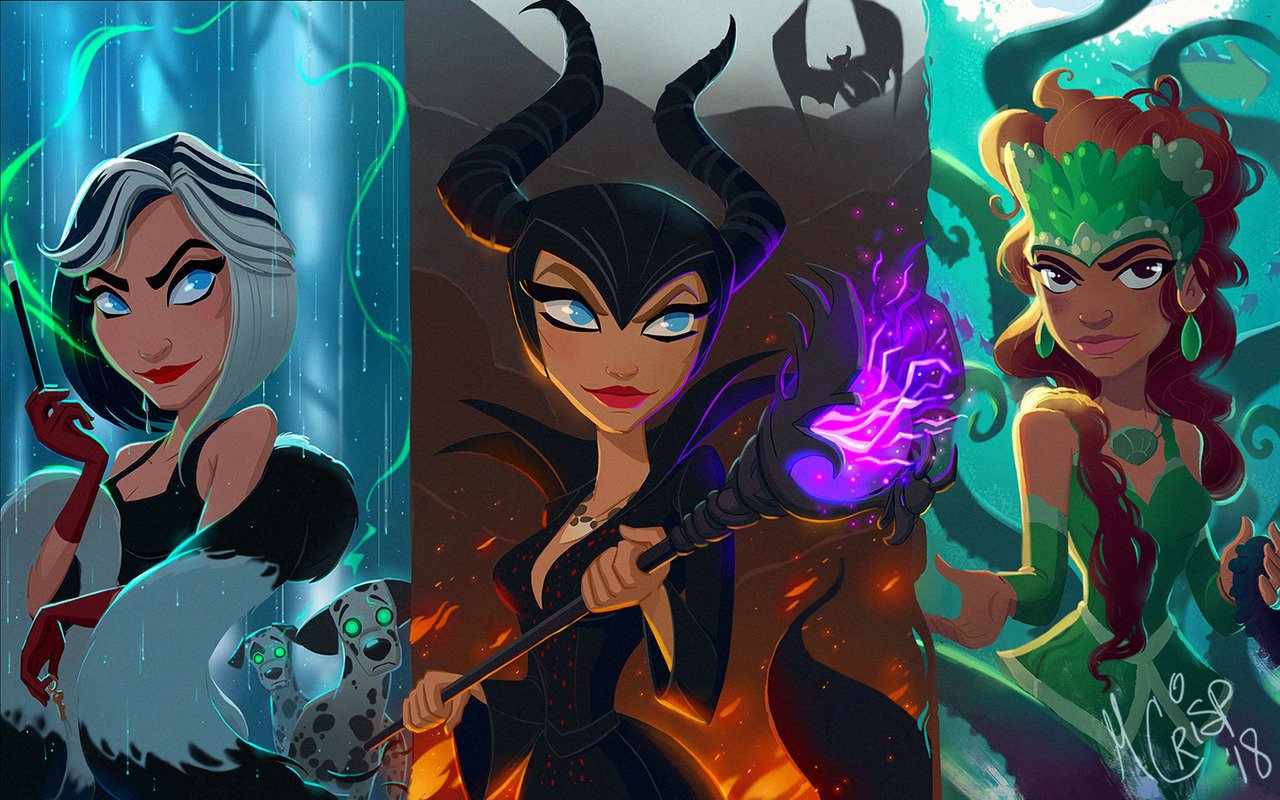
Let's be real for a second. If you grew up with the 1989 Disney classic, you probably thought you knew exactly who Ursula was. She was the flamboyant, soul-stealing octopus who really just wanted a crown and a trident. But the version of Once Upon a Time Ursula we got in Season 4 of the ABC hit series? That was a total curveball. It wasn’t just a simple retelling. It was a complete teardown and reconstruction of a villain we thought was irredeemable.
The show did this thing where it took iconic villains and tried to find the "broken" part of them. With Ursula, played by the incredible Merrin Dungey, the writers didn't just give her a tragic backstory; they turned her into a sympathetic figure who was actually a victim of her own father’s overbearing control long before she ever became a sea witch.
The Mermaid Who Lost Her Song
In the Once Upon a Time universe, Ursula didn't start out as a cecaelia. She was a mermaid. Honestly, this is where the show really leans into its "shattering expectations" vibe. She was the daughter of King Poseidon, voiced by the legendary Ernie Hudson. Imagine having the god of the sea as your dad and him being a total control freak.
Poseidon wanted her to use her voice as a weapon. He was mourning his wife—Ursula's mother—who was killed by a pirate. He wanted vengeance, and he expected Ursula to use her magical singing to lure ships to their doom. But Ursula? She just wanted to sing to make people happy. It’s a classic rebellious teenager trope, but with much higher stakes and way more salt water.
She eventually crosses paths with Captain Hook. This is where the Once Upon a Time Ursula lore gets particularly messy and human. Hook wasn't always the hero we saw in later seasons. Back then, he was a vengeful pirate. He makes a deal with Poseidon to take Ursula's voice using an enchanted nautilus shell, but then he double-crosses the King. In the end, it’s Hook who actually steals her voice to get back at Poseidon.
Losing her voice was the breaking point. If she couldn't be the mermaid she wanted to be, she decided to be the monster her father feared. She used the trident to transform her tail into tentacles, declaring herself the new goddess of the sea.
Join the Queens of Darkness
When we first meet Ursula in the "modern" day of the show (which, let's face it, is a confusing mess of timelines), she’s part of a trio known as the Queens of Darkness. You had Maleficent, Cruella de Vil, and Ursula. It felt like a fever dream of Disney fans' wildest fantasies.
They weren't just hanging out for the sake of it, though. They were brought together by Rumplestiltskin to find their own "happy endings." See, in the world of Once Upon a Time, villains are fated to always lose. Ursula’s involvement in this arc showed a much more world-weary side of the character. She wasn't hammy or over-the-top like the animated version. She was cynical. She was tired. She looked like she’d been through several lifetimes of disappointment, mostly because she had.
Cruella and Ursula together provided a weirdly grounded contrast to Maleficent’s high-fantasy drama. Ursula, specifically, felt like someone who had just given up on the idea of goodness because the world had been so fundamentally unfair to her. It’s a very different energy than the "Poor Unfortunate Souls" vibe.
Why This Version Hits Differently
The thing about Once Upon a Time Ursula is that she’s one of the few villains in the series who actually gets a relatively clean resolution. Most characters in this show get dragged through seasons of "will they/won't they" redemption arcs. Ursula? Her story is surprisingly concise and emotional.
The resolution comes when Hook, feeling the weight of his past sins, decides to do something right for once. He travels to another realm to retrieve Ursula’s singing voice from the enchanted shell. When he returns it to her, it’s not just about the magic. It’s about restoring her identity.
The scene where she finally reunites with Poseidon is one of the more underrated moments in the series. It deals with parental forgiveness and the idea that you don't have to be defined by the worst thing that ever happened to you. Once she gets her voice back, she doesn't want to conquer Storybrooke anymore. She just wants to go home.
- She represents the loss of innocence rather than innate evil.
- Her transformation was a choice made out of pain, not a desire for power.
- She is one of the few characters to leave the show on her own terms.
The Mythological Layering
One thing that Once Upon a Time did exceptionally well—and sometimes exceptionally poorly—was blending different mythologies. With Ursula, they managed to weave in the Greek mythology of Poseidon with the Hans Christian Andersen fairy tale.
In the original Andersen story, the Sea Witch is a nameless, transactional character. She isn't necessarily evil; she’s just a merchant of magic. Disney turned her into a villain. Once Upon a Time turned her into a daughter. By making her Poseidon’s daughter, they gave her a regal status that justified her "Sea Witch" power level. It wasn't just random magic; it was her birthright, twisted by grief.
The Disappointment of the "True" Ursula
We have to talk about the "other" Ursula. Early in Season 3, there was a brief moment where Regina (the Evil Queen) poses as Ursula to trick Ariel. During that episode, the actual Ursula—or at least a giant, shimmering golden projection of her—appears to threaten Regina.
That version was voiced by Yvette Nicole Brown and looked exactly like the animated character. For a long time, fans thought that was going to be the Ursula we’d get. When the show later introduced Merrin Dungey’s version as the "real" one, it caused a bit of a continuity headache.
The show hand-waved this by saying the golden deity was the "original" sea goddess that the mermaid Ursula named herself after. It’s a bit of a stretch, but that’s Once Upon a Time for you. You either roll with the retcons or you get a headache trying to map them out.
Actionable Insights for Fans and Writers
If you're looking back at the Once Upon a Time Ursula arc, there are a few things you can take away from how they handled such a massive character.
For Storytellers:
The "Villain Journey" is often more compelling when it mirrors the "Hero's Journey" in reverse. Ursula didn't wake up wanting to be evil. She had a specific talent (her voice) that was weaponized by someone she loved. When that talent was taken away, she filled the void with something darker. If you're writing a character, find the thing they loved most and imagine what happens when it's used against them.
For Casual Viewers:
If you're rewatching Season 4, pay attention to the costume design. Ursula’s modern-day look—the dark, shimmering fabrics and the heavy jewelry—is a subtle nod to her aquatic roots without being a literal "octopus in a dress." It’s one of the better character translations the show did.
For Completing the Lore:
Don't skip the episode "Poor Unfortunate Soul" (Season 4, Episode 15). It’s the definitive piece of the puzzle for this version of the character. It wraps up her history with Hook and her relationship with her father in a way that feels earned, even if it feels a bit fast compared to other arcs.
Ultimately, Ursula in Storybrooke wasn't the monster under the waves. She was a woman who had been silenced, literally and figuratively, and spent years trying to find a way to speak—or sing—again. She proves that even in a world of black-and-white morality, there’s a whole lot of gray in the deep blue sea.
To truly understand the legacy of this character, you have to look past the tentacles. You have to see the mermaid who was told her gift was a weapon and chose to walk away from the war, even if she got lost along the way. That’s the version of the story worth remembering.