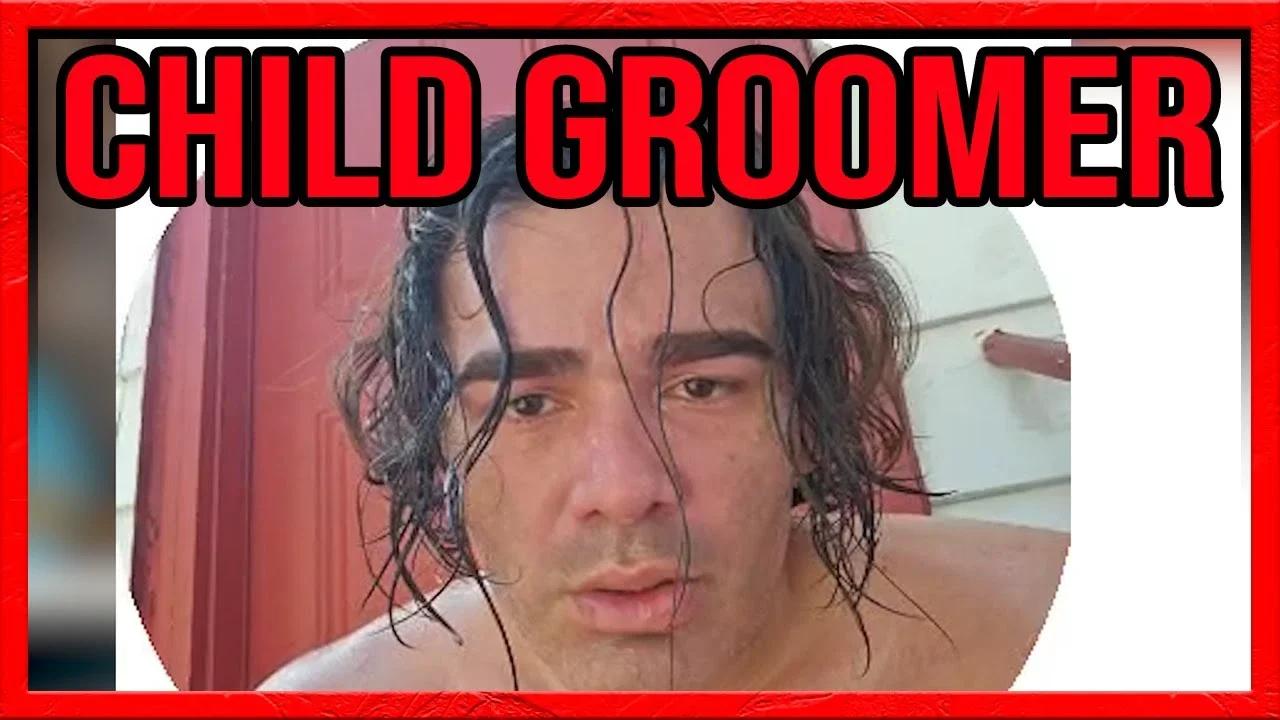
The internet is a strange place. One day you're a relatively unknown guy training at a gym, and the next, you're wearing Joker face paint, screaming slurs at strangers on Omegle, and becoming the face of a radicalized digital subculture. That’s essentially the trajectory of Paul Miller, better known to the darker corners of the web as GypsyCrusader.
It’s easy to look at the clips—the ones that still float around Telegram or obscure Twitter threads—and see a caricature. But the story of Miller isn't just about a guy who lost his mind on a webcam. It’s actually a pretty bleak case study on how political polarization, personal grievances, and the "attention economy" of the far-right can turn a regular person into a federal inmate.
Honestly, if you saw him back in 2018, you probably wouldn't have recognized him. He was a Muay Thai trainer. He had a job. He wasn't wearing green hair dye or tactical vests. So, what happened?
The Breaking Point in New Brunswick
Most people think Miller just woke up one day and decided to become a professional provocateur. That’s not really it. The "origin story" he tells—which has been verified through various news reports and police records from the time—centers on a 2018 clash in New York City.
Miller was at the Metropolitan Republican Club for a speech by Gavin McInnes, the founder of the Proud Boys. Outside, Antifa protesters were gathered. A brawl broke out. Miller claimed he was doxxed, lost his job, and was harassed by activists following the incident. Whether you believe his version of the "victim" narrative or not, the fallout was objectively real. He lost his livelihood. He became radicalized.
He didn't just get mad. He got weird.
He moved to Florida, bought a bunch of camera gear, and started streaming. This wasn't "gaming" content. This was pure, unadulterated vitriol. By the time he was fully in the GypsyCrusader persona, he was lean, aggressive, and obsessed with shock value.
The Omegle Era: Why Paul Miller Went Viral
You've probably seen the format. He’d sit in front of a green screen, often dressed as the Joker, the Riddler, or even Mario. He would hop on Omegle—a site meant for chatting with strangers—and wait for someone to pop up.
When they did, he’d unleash.
It was a barrage of racial slurs, Nazi salutes, and white supremacist rhetoric. It sounds chaotic, and it was. But from a "content" perspective, it was calculated. He knew that the more offensive he was, the more his clips would be shared in "edgy" Discord servers. He wasn't just talking; he was building a brand based on being the most offensive person on the internet.
The GypsyCrusader "fame" grew fast. He gained hundreds of thousands of followers across platforms like Telegram and BitChute after being banned from every mainstream site like YouTube and Twitch. He was basically living in a self-made echo chamber where his fans egged him on to be more extreme.
It’s worth noting that this wasn't just "trolling." The Department of Justice took a very different view of his activities.
The FBI Raid and the Illegal Firearm
Everything came crashing down in March 2021. The FBI didn't just knock; they raided his home in Fort Lauderdale.
Here is the thing: a lot of people think he was arrested for what he said online. He wasn't. In the United States, being a jerk on a webcam is generally protected by the First Amendment, even if what you're saying is hateful. Miller was arrested because he was a convicted felon in possession of a firearm.
Specifically, the feds found a 9mm pistol and ammunition. Because of a 2018 felony conviction for possession of a controlled substance (and another for aggravated assault), he wasn't legally allowed to own a gun.
The irony? His own videos helped sink him. In some of his streams, he’d flaunted the weapon or talked about training with it. When you're a felon, the last thing you should do is broadcast your illegal firearm to thousands of people, some of whom are definitely federal agents.
Life After Prison: Is the Persona Dead?
Miller was sentenced to 41 months in federal prison. He served his time and was released in 2023.
Since getting out, the landscape has changed. Omegle—the very platform that made him "famous"—actually shut down entirely in late 2023, citing the massive amount of abuse and "virtually any crime" being committed on the platform. Without his primary stage, Miller has struggled to regain the same level of notoriety.
He’s still around on alternative platforms. He still posts. But the energy feels different. Some people think he’s trying to "rebrand," while others think he’s just one slip-up away from going back to jail.
What's clear is that the "GypsyCrusader" peak is over. The digital world moves fast. The "edgelord" humor that felt novel (to some) in 2020 now feels like a relic of a very specific, very toxic era of the internet.
Why This Story Actually Matters
It’s easy to dismiss Paul Miller as just another "internet crazy." But his story matters because it shows the path of radicalization in the digital age. It shows how personal loss can be weaponized by online subcultures.
- The Dangers of the Echo Chamber: Miller surrounded himself with people who cheered for his worst impulses. When your entire social circle is telling you that you're a "hero" for being hateful, you stop checking your own behavior.
- The "Content" Trap: He became a slave to his own persona. To keep the views coming, he had to be more extreme, louder, and more dangerous.
- Real-World Consequences: You can't live a double life. The things you do "for the memes" have a funny way of showing up in a federal indictment.
What to Keep in Mind Moving Forward
If you're following the saga of people like Miller, it's important to look past the "memes." Understanding the legal and social ramifications of this kind of content is key.
- Monitor the Platforms: If you see this kind of radicalization happening in your own digital circles, recognize the signs. It almost always starts with a "personal grievance" and ends with isolation.
- Legal Awareness: Understand that "free speech" isn't a shield against actual criminal activity, like illegal firearm possession or making specific, credible threats.
- Contextualize the "Viral" Nature: Don't give oxygen to shock-value content. The goal of GypsyCrusader was to provoke a reaction. When the reaction stops, the power of the persona fades.
The saga of Paul Miller is a reminder that the internet isn't a video game. There’s no "reset" button when the FBI shows up at your door. Whether he actually changes his life or remains a footnote in the history of internet trolls is up to him, but for now, his story serves as a cautionary tale for the ages.
The best way to handle this kind of legacy is to learn from the mechanics of his rise and fall. Keep an eye on how fringe figures use mainstream platforms to bridge into more radicalized spaces. Stay informed on the legal precedents being set regarding online speech and physical contraband. Most importantly, recognize that the "persona" you see on a screen is often a mask for a much more complicated, and often much more tragic, reality.