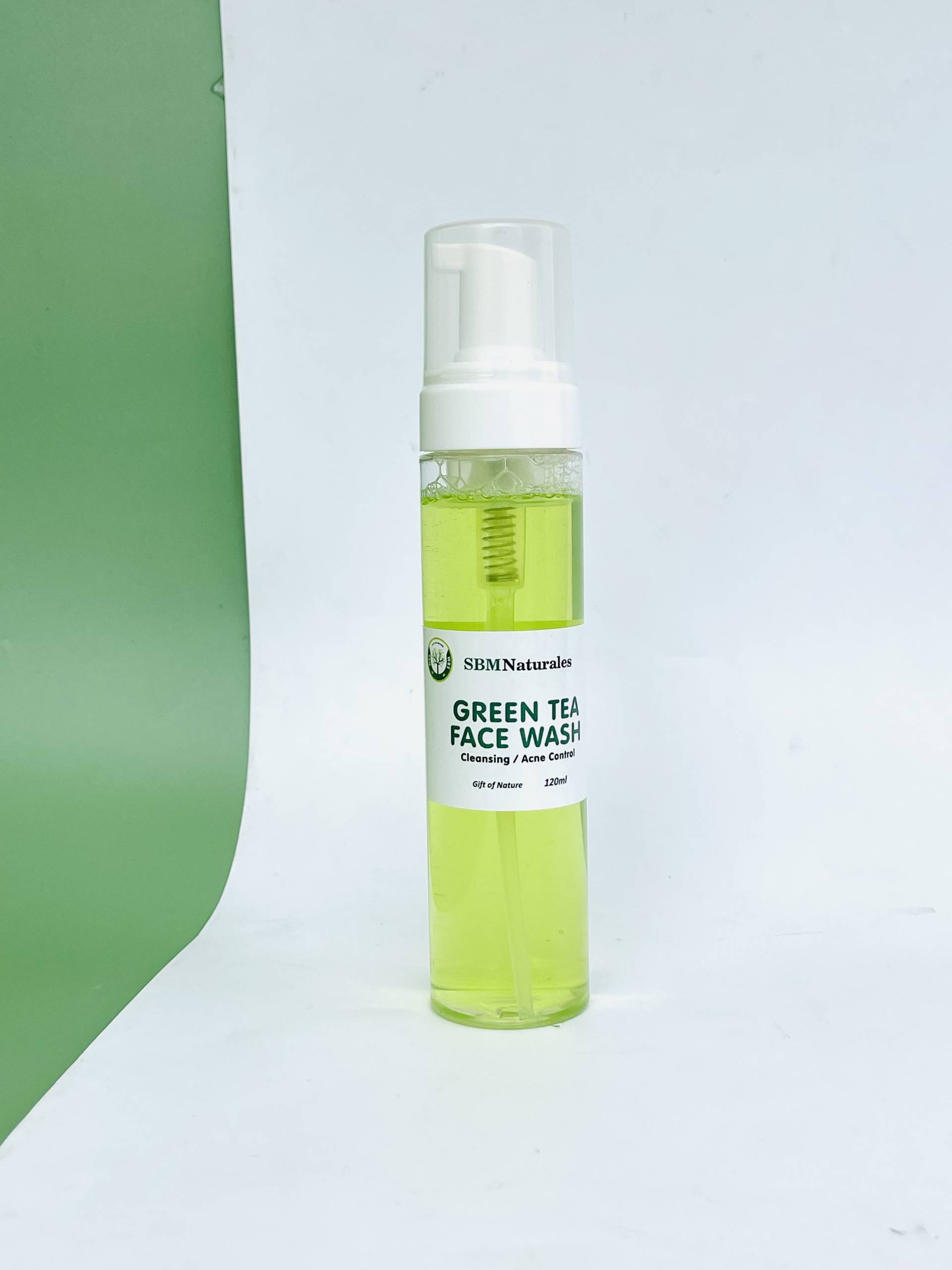
You’ve probably seen it everywhere. It's on the shelf at the drugstore, it’s in that fancy glass bottle at Sephora, and it’s definitely all over your Instagram feed. But honestly, green tea face wash isn't just another marketing gimmick designed to make you spend twenty bucks on scented soap. There is actual, hard-hitting science behind why this specific plant extract helps your skin stop acting up.
It's about the polyphenols. Specifically, a little thing called epigallocatechin-3-gallate, or EGCG. Scientists have been obsessing over this stuff for decades.
I’ve spent years looking at ingredient decks. Most cleansers are just surfactants—detergents that strip your face of everything, including the good oils you actually need. But when you add a high-quality green tea extract into the mix, you’re not just cleaning. You’re basically doing damage control while you wash. It’s weirdly effective for people who deal with that midday grease or those annoying red splotches that won't go away.
The Science of EGCG and Your Pores
Let’s get into the weeds for a second. Your skin produces sebum. This is normal. But when your hormones go haywire or the humidity spikes, your pores turn into little oil factories.
Research published in the Journal of Investigative Dermatology has shown that EGCG is anti-androgenic. This basically means it can help block the hormones that tell your skin to produce too much oil. It’s not a magic eraser, but it’s close. When you use a green tea face wash, you are delivering these antioxidants directly to the surface where that oxidation happens.
Think about it this way.
Oil on your face is like butter on a counter. On its own, it’s just there. But once it hits the air and "oxidizes," it gets gross and clogs things up. Green tea stops that "rusting" process. It keeps the oil fluid so it doesn't turn into a blackhead.
I’ve talked to dermatologists who swear by this for adult acne. It’s less irritating than benzoyl peroxide but more proactive than a basic "gentle" cleanser.
Why Most People Buy the Wrong One
Here is the problem. Not all green tea is created equal.
If you look at the back of the bottle and "Camellia Sinensis Leaf Extract" is the very last thing on the list, after the fragrances and the preservatives, you’re basically buying expensive water. You want to see it in the top five ingredients. Otherwise, the concentration is too low to actually do anything.
Also, watch out for the color.
Real green tea extract is brownish or dark amber. If your face wash is neon green, that’s just dye. Brands do this because they think we’re suckers for color-coding our skincare. Don't fall for it.
I remember trying a "natural" brand a few years ago that smelled like a literal meadow. It felt great for three days. By day four, my skin was peeling. Why? Because they loaded it with essential oils like bergamot and lemon to make it smell "fresh." The green tea was there, but the fragrance was nuking my skin barrier.
Does a Wash-Off Product Actually Work?
This is a valid question. You’re putting the stuff on your face for maybe sixty seconds and then rinsing it down the drain. Does the green tea actually stay behind?
The answer is: sort of.
While a serum or a moisturizer is obviously going to have more "contact time," a green tea face wash serves a specific purpose. It lowers the oxidative stress on the skin during the most traumatic part of your routine—cleansing. Scrubbing your face is inflammatory. The tea acts as a buffer.
Dr. Leslie Baumann, a well-known dermatologist and author, often notes that antioxidants in cleansers can still offer a protective effect against the free radicals generated by tap water minerals and pollution.
It’s about the cumulative effect.
If you use it every morning and every night, those sixty seconds add up. You start to notice that the "tight" feeling you get after washing goes away. Your face feels calm. Not stripped. Not squeaky. Just... normal.
Real Results vs. Marketing Fluff
Let’s be real. A face wash won’t cure cystic acne. It won't remove deep wrinkles. If a brand tells you their green tea cleanser is "Better than Botox," they are lying to your face.
What it can do:
- Reduce redness after a workout or a long day in the sun.
- Help control that "T-zone" shine that usually appears by 2 PM.
- Make your skin a more receptive canvas for your actual treatments.
If you have sensitive skin, this is your holy grail. Green tea is naturally anti-inflammatory. It’s like a cool compress for your face. I’ve seen people with mild rosacea find huge relief just by switching from a harsh foaming wash to a pH-balanced green tea gel.
What to Look for on the Label
Don't get distracted by the pretty packaging. You need to be a detective.
First, check the pH. Your skin is naturally slightly acidic, usually around a 5.5. A lot of traditional soaps are alkaline (pH 8 or 9). This destroys your acid mantle. A good green tea face wash should be formulated to match your skin’s natural acidity.
Look for these supporting characters:
- Glycerin: To keep moisture locked in.
- Centella Asiatica: Also known as Cica, it works with green tea to soothe irritation.
- Panthenol: Vitamin B5, which helps repair the skin barrier.
Avoid "Sodium Lauryl Sulfate" (SLS) if you can. It’s a harsh foaming agent that can counteract all the soothing benefits of the tea. You want "Cocamidopropyl Betaine" or "Decyl Glucoside" instead. They are much gentler.
How to Actually Use It
Most people wash their face wrong. They splash some water, rub for five seconds, and rinse.
Stop doing that.
To get the most out of a green tea face wash, you need to give the antioxidants a chance. Massage it into your skin for a full 60 seconds. Use your fingertips. Get into the creases around your nose. Use lukewarm water—never hot. Hot water causes vasodilation, which leads to more redness, effectively canceling out the tea’s hard work.
If you’re wearing heavy makeup or sunscreen, do a double cleanse. Use an oil-based balm first to break down the gunk, then follow up with the green tea cleanser to actually treat the skin.
Actionable Steps for Your Routine
If you’re ready to try this out, don’t just grab the first bottle you see. Start by checking your current cleanser. If it leaves your face feeling "tight" or "dry," it’s already doing damage.
- Check the Ingredient List: Look for Camellia Sinensis near the top. If it's below the preservatives (like Phenoxyethanol), move on.
- Patch Test: Even "natural" ingredients can cause reactions. Try it on your neck for two days before going full-face.
- Consistency is Key: Don't expect a miracle in one wash. Give it at least two weeks—the length of a skin cell turnover cycle—to see if your redness and oil levels actually change.
- Temperature Control: Commit to using cool or lukewarm water only. This simple change amplifies the soothing properties of the green tea.
- Monitor Your Midday Shine: Take note of how oily you feel at lunch. If you notice you're reaching for the blotting papers less often after a week, the EGCG is doing its job.
The goal isn't perfection. It’s balance. A solid green tea cleanser is one of the easiest ways to nudge your skin back toward its happy place without overcomplicating your life.